A major new study into mate wareware is set to roll out across Whanganui, aiming to better understand how dementia is affecting kaumātua and their whānau.
The initiative follows a community hui hosted in June last year by independent Whanganui research institute Te Atawhai o Te Ao alongside iwi and community health providers at Te Ao Hou Marae.
The hui brought whānau together to kōrero about recognising the signs and symptoms of mate wareware (dementia), understanding contributing and protective factors, and exploring ways to slow the progression of the disease.
Keynote speaker Dr Makarena Dudley, deputy director (Māori) at the University of Auckland’s Centre for Brain Research, said a significant challenge facing communities was that whānau often struggled to access clear information and supportive services related to mate wareware.
She said the gap could make it even harder to manage the impacts of the condition on kaumātua and their whānau.
Building on the momentum of the hui, the University of Auckland has partnered with Te Atawhai o Te Ao to undertake a community-based prevalence study in Whanganui.
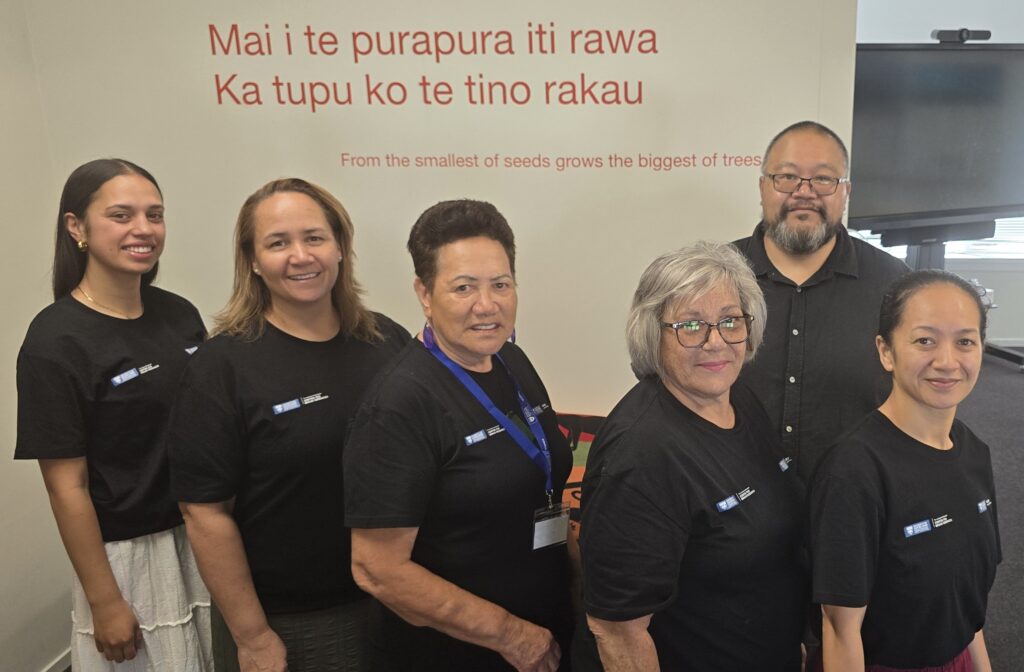
The project, He Rapunga Hauora mō te Mate Wareware: A Prevalence Study, will see a trained team of community researchers conducting a household survey across the district, starting this month.
Te Atawhai o Te Ao director Dr Rāwiri Tinirau said mate wareware was an increasing source of concern in the rohe.
“Mate wareware touches many whānau, and its increasing prevalence amongst Māori in our rohe is something our community has identified as a growing concern,” he said.
“We are pleased to partner with the University of Auckland on this survey, with the hope that its findings will contribute to whānau-centred health responses and inform future health policy and resourcing decisions.”
Researchers will visit homes to interview kaumātua and their whānau, gathering data to quantify how widespread mate wareware is locally and to understand its broader impacts on whānau wellbeing.
The findings are expected to help inform the development of culturally responsive support services tailored to whānau needs.
In the coming weeks, Whanganui residents may receive flyers in their mailboxes advising that the research team will be working in their neighbourhood. Participation in the survey is voluntary and interested whānau will be contacted to arrange suitable interview times.
Awa FM – Te Reo Irirangi o Whanganui
For more of our people, our stories, our way, click News or follow us on Facebook.