By Moana Ellis, Local Democracy Reporting
Inside a cooled packhouse just outside Whanganui, thousands of fragrant strawberries move along a conveyor belt system for hand-packing before heading to market.
It’s a slick, high-volume operation that has transformed once unproductive iwi whenua into a fast-scaling berry enterprise, with volumes increasing steadily year on year.
Rangitīkei/Manawatū iwi Ngā Wairiki and Ngāti Apa say patience and a willingness to learn are paying off, as its commercial arm lifts yields from 240 grams per plant in its first year to 840 grams last season.
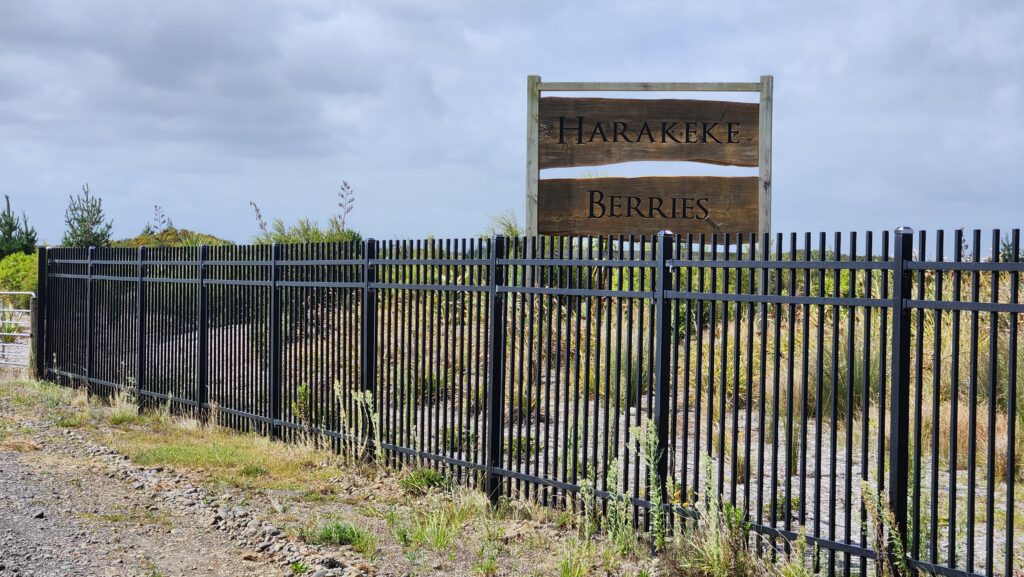
Now in its fourth year, Harakeke Berries harvested 130 tonnes of strawberries last season.
Te Rūnanga o Ngā Wairiki-Ngāti Apa tāhūhū rangapū / Group CEO Grant Huwyler says the operation near Kaitoke is about more than fruit.
“It is a good example of learning and adaptation, building internal capability, creating employment and regional supply chains and moving toward sustainable cashflow at commercial scale,” Huwyler said.
“But one of the things I love most is that this was unproductive land.”
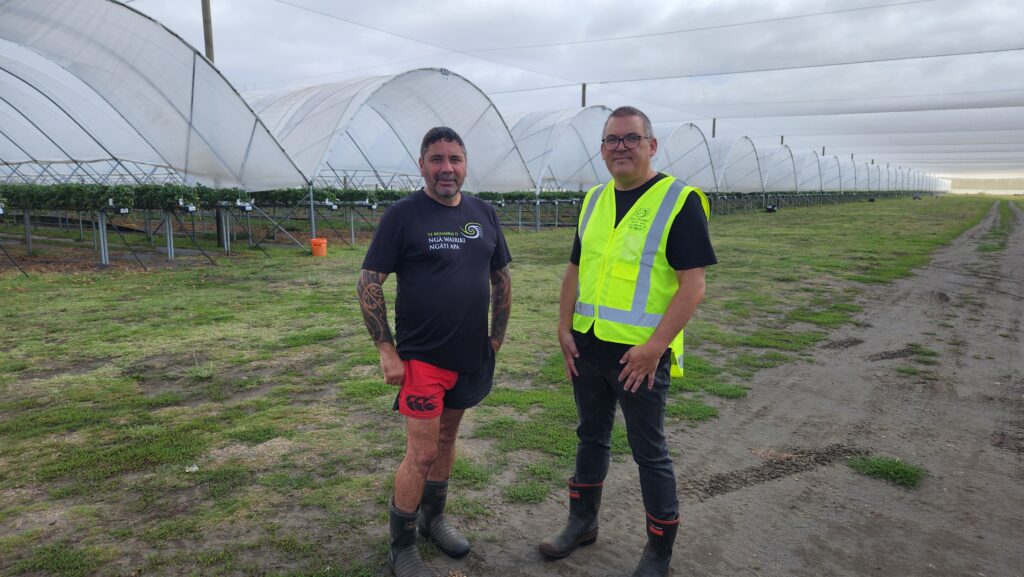
The strawberry farm was launched with critical funding support from the Government’s Provincial Growth Fund.
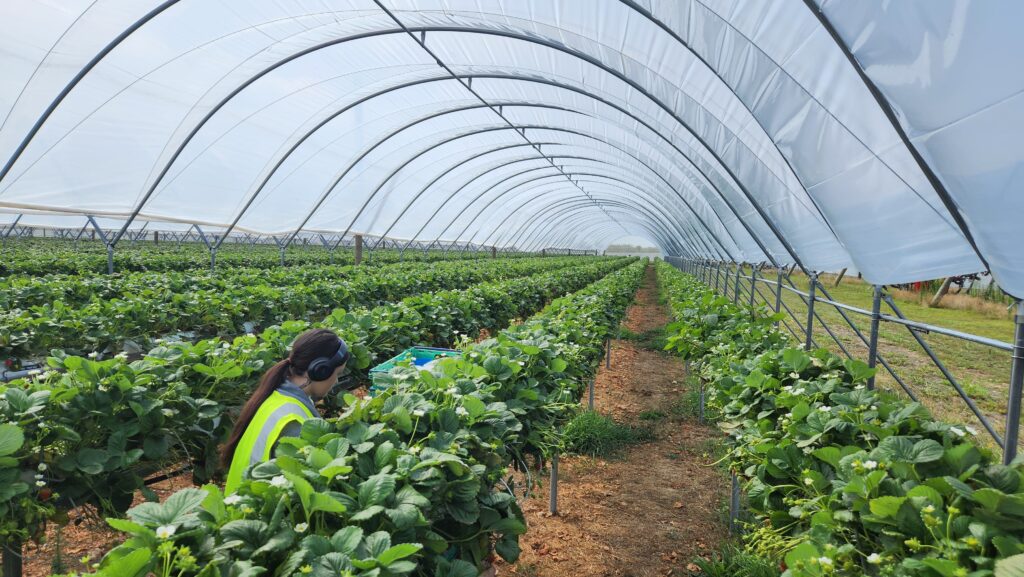
It currently spans about four hectares of tunnel houses under hail canopy, with plans to expand to six hectares. Huwyler describes this as the “sweet spot” for a sustainable, efficient berry business.
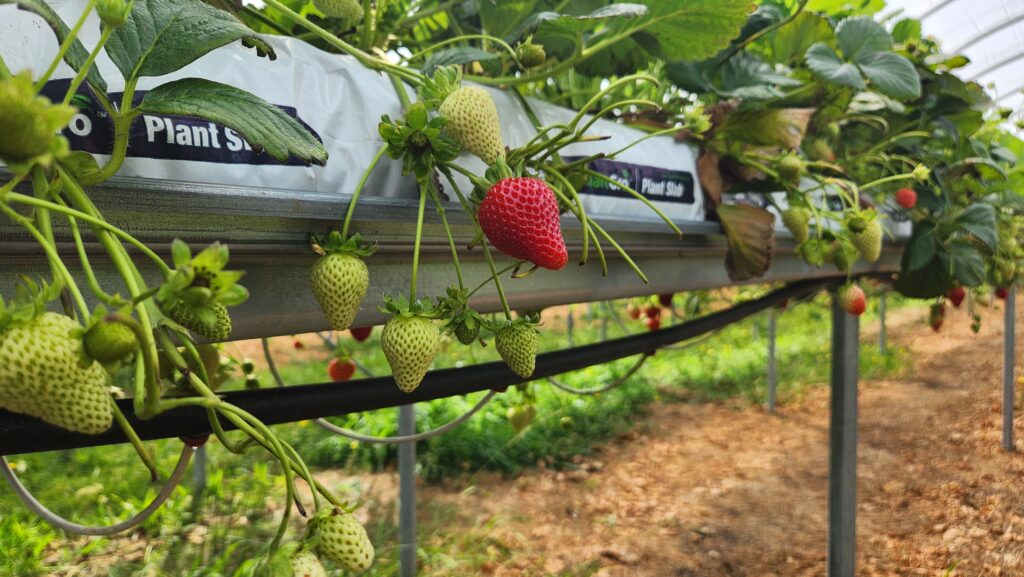
The model uses fertigation systems and controlled growing environments to maximise fruit quality and yields.
Site manager Carl Hodson, who also oversees the forestry portfolio, said the work never really stops.
“Even out of season we’re still quite busy, prepping for the following season,” Hodson told Awa FM.
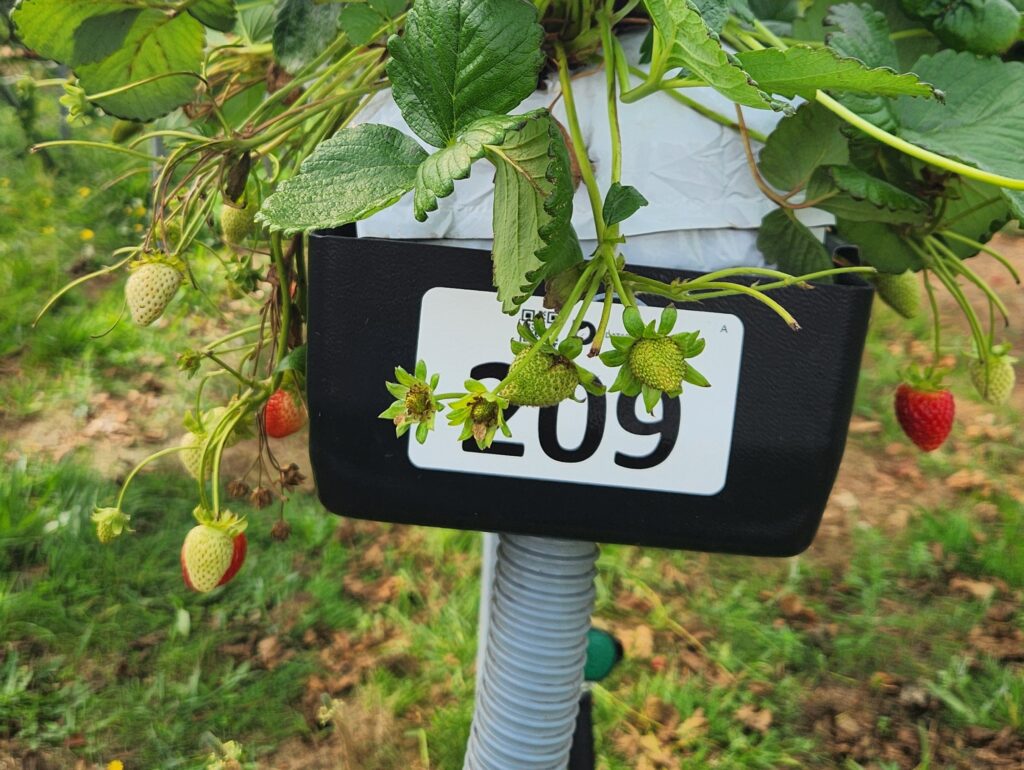
The season runs from October through to May or June, but preparation for the next season begins pretty much without a break. Each May and June, new plants are manually planted – 200,000 by hand this season, up from 160,000 last year.
Next season, Hodson’s planning for up to 360,000 plants.
The berries are grown in 40 tunnel houses raised on sandy, wind-raked ground, each containing 800 growing bags. Most of the crop has traditionally been the Monterrey variety, but the iwi are now trialling the 1160 and Victory varieties as they continue refining their approach.
Four permanent staff manage the site year-round, with numbers swelling to as many as 24 during the peak picking and packing season.
Sustainability is also part of the model. Harakeke Berries works with Māori-owned Rivercity Tree Services to process organic waste from used strawberry growing bags.
The bags, made up of 70 per cent coconut husk and 30 per cent chip, remain nutrient-dense even after a season of fruiting. Instead of being discarded, the material is repurposed, closing the loop and reinforcing the iwi commitment to responsible land use.
Harakeke Berries supplies national distributor Turners & Growers, while also building local relationships – including exclusive supply to New World Marton and product into PAK’nSAVE.
Excess fruit and “seconds” are occasionally snapped up at the farm gate by eager locals, with a single social media post often enough to see trays of berries sell out within hours.
While the strawberries are now trending toward profitability, a key decision remains on whether to complete the final two hectares needed to reach full commercial scale.
Beyond revenue, the operation has become a training ground. Skilled operators have been developed internally, with iwi members stepping into management and commercial roles.
Huwyler said that capability-building – alongside cashflow – is part of the long-term return on investment, with the guiding principle being patience and adaptability.
“The philosophy has been to start small and learn. Production figures are an indication of the learning,” Huwyler said.
Awa FM – Te Reo Irirangi o Whanganui
For more of our people, our stories, our way, click News or follow us on Facebook.