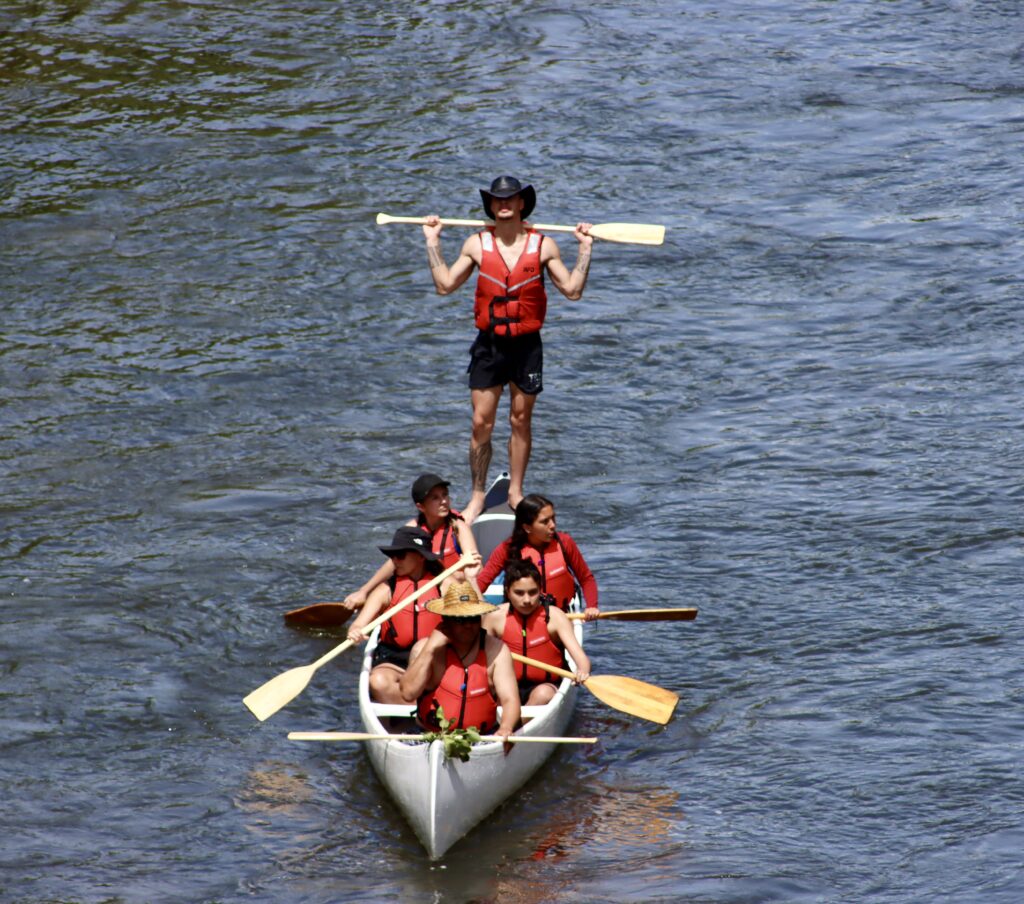
By Moana Ellis, Local Democracy Reporting
From pēpi to young steerers, rangatahi are at the heart of a tribal journey on the Whanganui River which sees generations of uri [descendants] paddle together in the annual Tira Hoe Waka.
Whanganui leaders say the two-week inter-generational river journey, which set off on January 5, is building Whanganui’s next leaders as iwi and hapū reclaim their place on the river.
Organiser Hayden Potaka said paddlers ageing from the minimum 12 years through to kaumātua are strengthening identity, tikanga and connection to the awa.
“The age range is deliberately intergenerational, allowing knowledge, tikanga and leadership to flow across generations.”
But he and other iwi leaders say rangatahi are at the heart of the Tira Hoe Waka.
“Rangatahi are not observers, they are active participants and leaders in training.
“Through tuakana-teina relationships, responsibility on the waka, and opportunities to step into roles such as captaincy, rangatahi build confidence, discipline and a strong sense of identity that carries into wider iwi, community and professional spaces.”
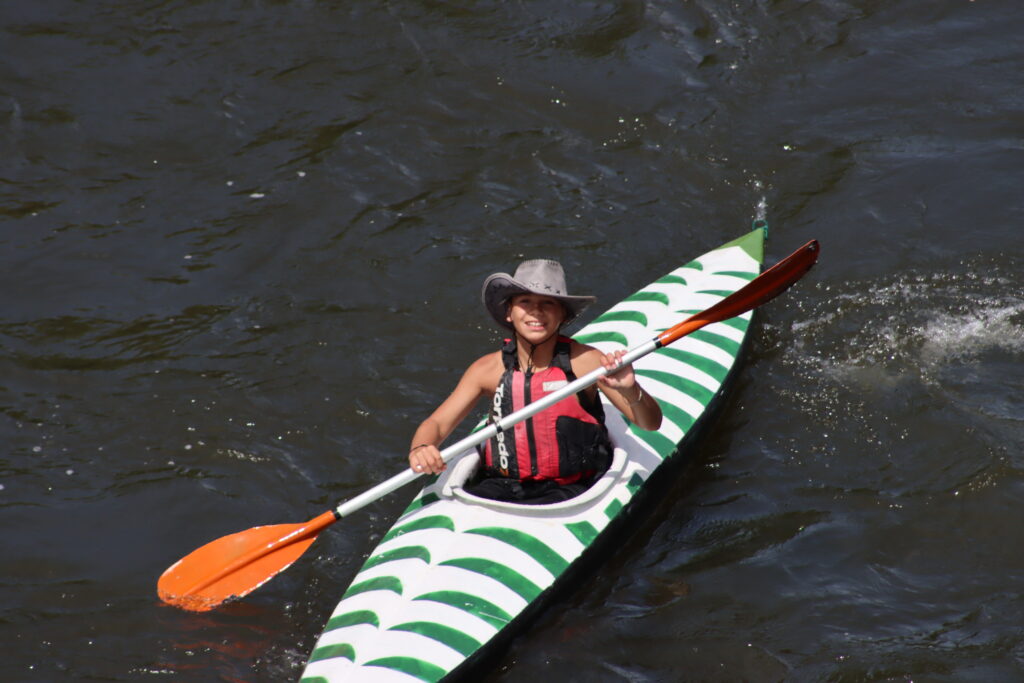
The Tira Hoe Waka is an investment in people, capability and connection, Potaka said.
It was established nearly 40 years ago in the late 1980s to reconnect uri to the awa in a deep way – physically, spiritually, and culturally – while strengthening tikanga practice, collective care, and respect for the river and each other.
The benefits of the wānanga extend well beyond the two-week journey, building cultural confidence, river knowledge and leadership skills, alongside strong whānau and hapū relationships that support iwi wellbeing, environmental stewardship and future leadership.
“As we move through this year’s journey, the emphasis remains on unity, humility, and care paddling together, supporting one another, and honouring both our tūpuna and those yet to come,” Potaka said.
While paddlers must be at least 12 years old – though more than a few have been in their 70s and 80s – young tamariki can participate with their whānau as “roadies”.
Seventeen-year-old Te Taura Here Ki Te Rangi Brown said the Tira was “a must-do” for Whanganui uri.
“This is a kaupapa that we’ve always been coming to ever since I was a pēpi. My mum and dad always come on the Tira – it’s just been a summer kaupapa.
“This is my third year paddling and my first year steering. So I’m excited.”
Brown said the journey keeps her connected to the river.
“Our awa is who we are: ko au te awa, ko te awa ko au [I am the river, the river is me]. It’s a good start to the pākehā New Year.”
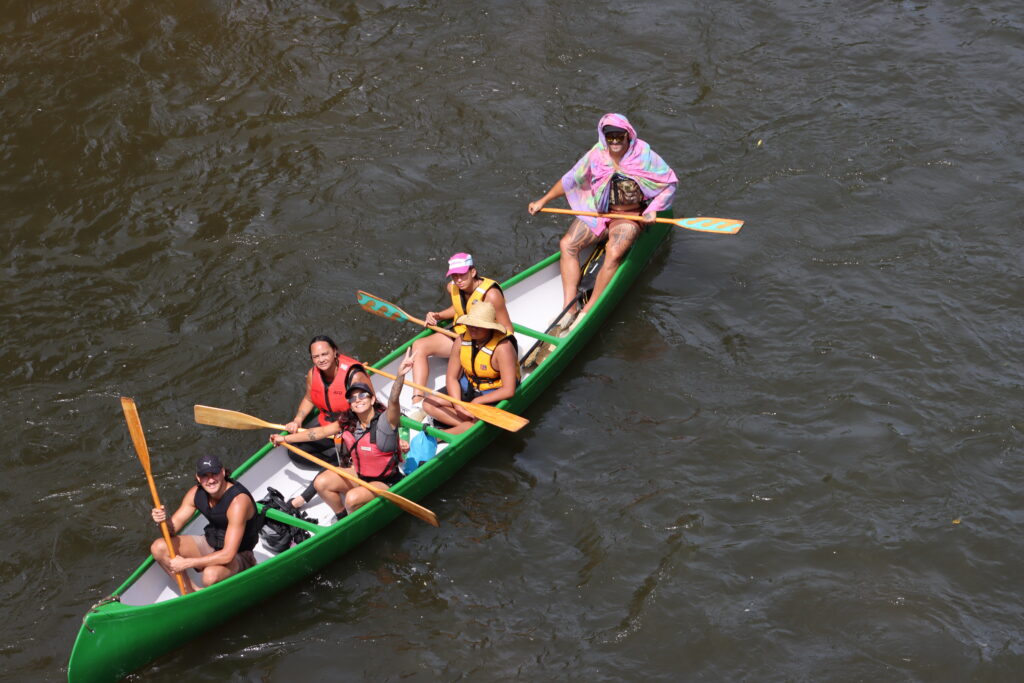
Ngā Tāngata Tiaki o Whanganui kaihautū Nancy Tuaine said this year’s wānanga includes “heaps of the younger generation”, with growing numbers stepping into steering and other leadership roles.
“There’s far more steerers that are younger on this haerenga. There’s so much succession you can see coming through within this space.
“We’re going to see in the years to come the benefit of them embracing the awa, taking up responsibilities and roles, how that comes to fruition as people seek to take leave from the responsibilities of co-ordinating the Tira and leave it for others.”
The 14-day Tira includes 11 days paddling and two rest days at ancient marae sites on the river.
It left from Ngā Huinga near Ngāpuwaiwaha Marae in Taumarunui on January 5 and arrives at Te Ao Hou Marae in Whanganui on January 19.
Awa FM – Te Reo Irirangi o Whanganui
For more of our people, our stories, our way, click News or follow us on Facebook.