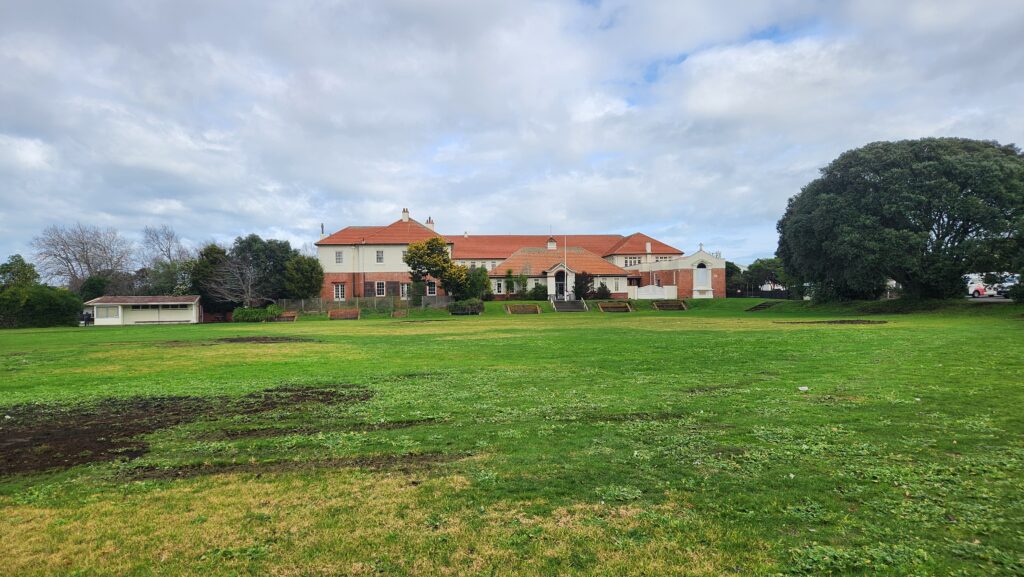
Members of the public will soon have the chance to buy salvaged bricks, timber and other materials from the former St George’s School site in Whanganui, with up to 95 percent of the building set to be carefully deconstructed and reused.
The materials – estimated at 658 tonnes in total – will be removed by hand and made available for public sale in May, as part of a deconstruction process led by building company ARC.
Once cleared, the site at 125 Grey Street will be leased by the council to iwi-led, Hauora Māori organisation Te Oranganui for a future wellbeing hub for the wider community.
ARC chief executive Thomas Bishop said opening the building for public walkthroughs ahead of the work had added another layer of meaning to the project.
“It’s been cool hearing people’s stories and the experience has given our team a deeper appreciation of the site’s layered history,” Bishop said.
The buildings on the two-hectare site at the end of Springvale Park, on the corner of London and Grey Streets, date back to 1927 and had Class C heritage status in Whanganui’s district plan.
St George’s School operated on the site until 2011.
The council’s Holdings company bought the property in 2019 to facilitate business opportunities which did not eventuate.
Whanganui District Council chief strategy officer Sarah O’Hagan said 265 people attended the walkthroughs over three days last week.
“This site holds a lot of memories and we wanted to create an opportunity for people to see inside the building and share their stories before deconstruction starts,” O’Hagan said.
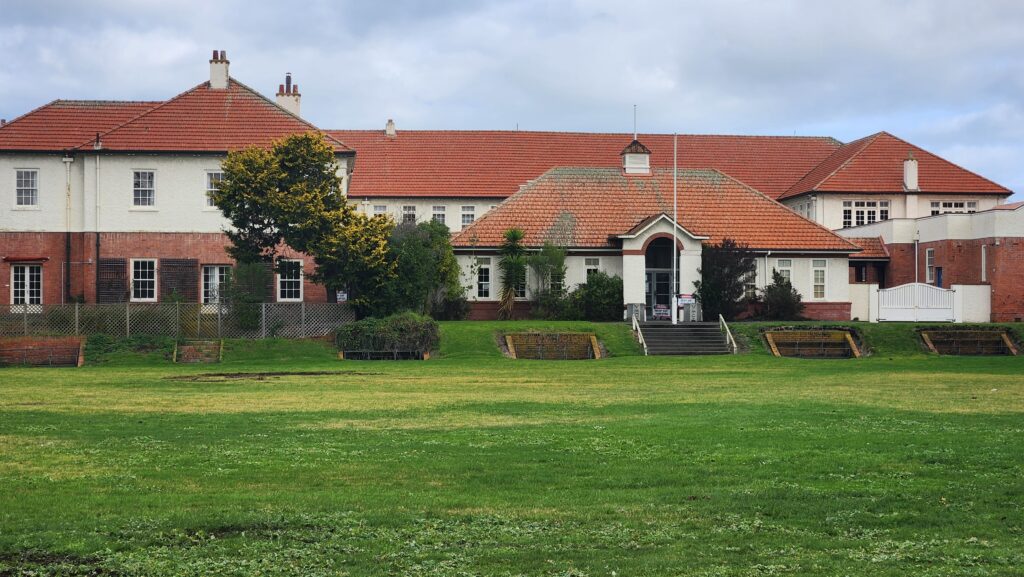
Among the memories shared were stories of a boxing ring once set up in the former school hall next to the chapel, with ropes strung around steel poles for practice. Another former resident recalled how each door had its own distinctive creak.
“She could tell who was coming just by the creak,” Bishop said. “Each door had its own sound.”
The deconstruction will involve removing roof tiles by hand, de-nailing and recovering timber, and salvaging bricks to maximise reuse.
Bishop said the craftsmanship inside the building had impressed visitors and the ARC team alike.
“Every room’s joinery was custom-built onsite. You see blind joins, finger jointing and hidden nails – real craftsmanship,” he said.
“To take it apart properly, we have to work in the same careful way it was built. It’s an honour to see what those previous craftsmen did and to make sure we remove it in as good a condition as possible.”
Awa FM – Te Reo Irirangi o Whanganui
For more of our people, our stories, our way, click News or follow us on Facebook.