By Moana Ellis, Local Democracy Reporting
Horizons Regional Council has approved funding of nearly $350,000 a year for a statutory partnership board and its work to improve the health of the Whangaehu River catchment.
Councillors were sharply divided in a closely contested vote, with the proposals scraping through 7-6 after lengthy debate. Ngā Wai TōTā o Te Waiū and the Te Waiū-o-Te-Ika framework were established under the Ngāti Rangi Claims Settlement Act 2019 as a statutory iwi-council partnership for the Whangaehu catchment.
The board is responsible for developing and implementing Te Tāhoratanga, a health and wellbeing strategy for the river system. Under the legislation, Horizons is required to provide administrative and technical support for the board and must also “endeavour to accommodate” unbudgeted resource requests.
Council officers sought approval on Tuesday for administrative funding ($97,300), strategy development costs (up to $100,000) and two part-time support roles ($150,000), totalling nearly $350,000 a year through to 2028.
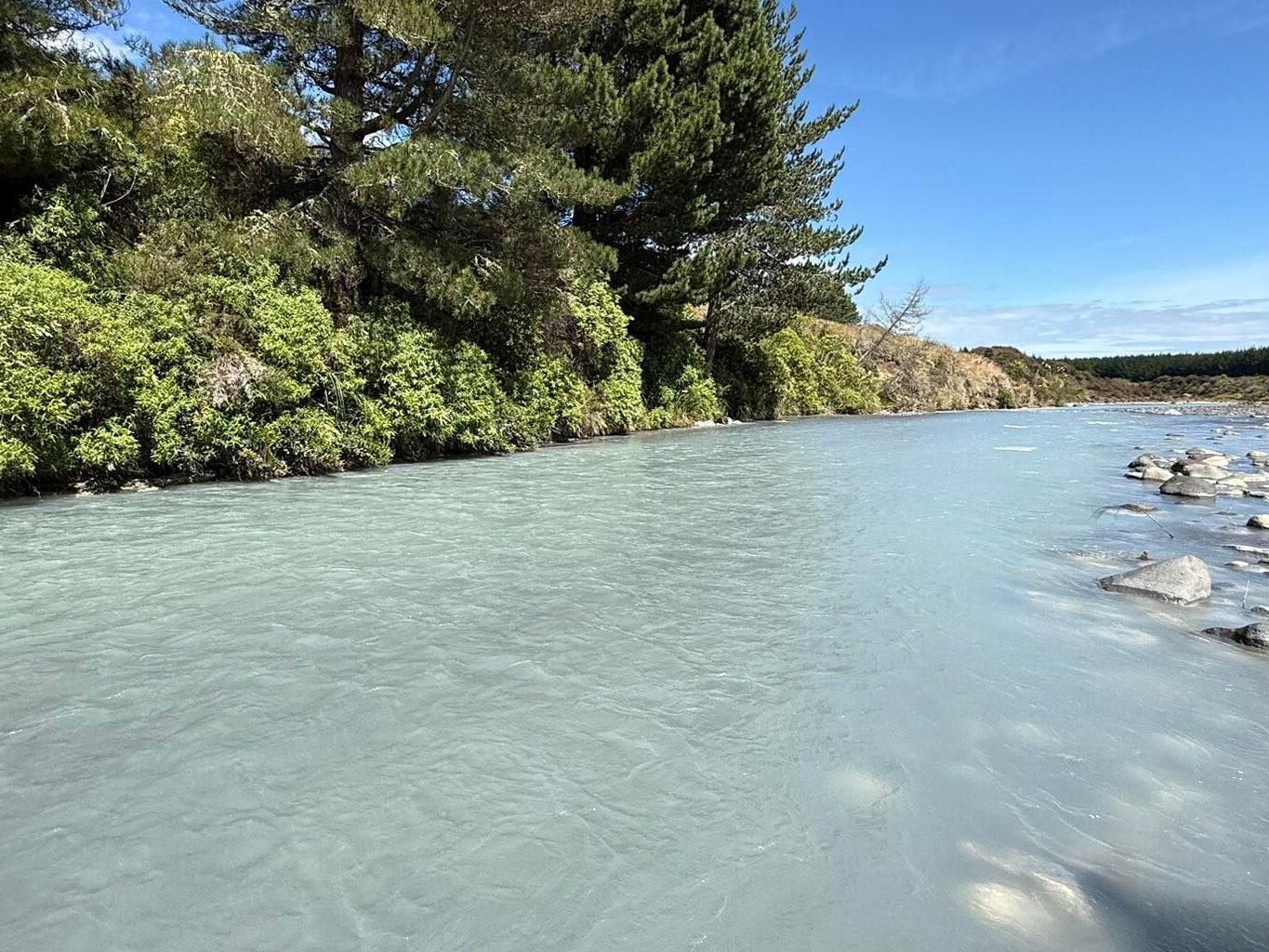
Ngā Wai TōTā o Te Waiū chair Che Wilson told the council the Whangaehu catchment was a rare river system, and the only example of its kind in the country. The river was traditionally used for healing and was an access route for migratory fish.
“Ngāti Rangi led the establishment of this arrangement for the Whangaehu. We did this because the system wasn’t looking after the river,” Wilson said.
“Even with our contributions over many, many decades our pleas for better river management were ignored.” Wilson said the framework Te Waiū o te Ika would seek to change this while still encouraging good, sustainable use.
“We want to get on with the job,” Wilson said. Raki Māori (Māori North) councillor Elijah Pue said parts of the river system were now considered “biologically dead” because of historic water diversion and acidity issues.
At least 26 tributaries of the Whangaehu along key waterways in the Rangitīkei catchment had been diverted through 22 intakes, with flows in some places reduced by up to 100%. “The result has been the loss of freshwater sources for communities like Karioi,” Pue said.
Horowhenua councillor Hamish Easton said the funding request seemed “very, very excessive”. He asked what the council was explicitly required to provide under the legislation.
Several councillors questioned the long-term cost to ratepayers and sought clearer budget detail. Palmerston North councillor Jono Naylor said he had heard a lot from councillors about cost to ratepayers and not much about benefit.
“The point is to improve the river – for the sake of the river, but also for the sake of those people who live and farm and do whatever else they do in that catchment. “It seems that we only want to do what we absolutely legally have to and not an inch more.
I don’t hear about that when we talk about other stuff around this table.” He said it concerned him that this approach “only ever comes up” when the council considered mana whenua initiatives. “If we only did what we were legally required to do, there’d be no SLUI, there’d be no flood protection, there’d be no drainage schemes, there’d be no buses.
“Sometimes, the best thing we can do is work with a whole community, including mana whenua, to deliver the very best outcomes for the river and for the people.”
Chair and Ruapehu councillor Nikki Riley said the challenge for her community at home was bearing the cost. She cautioned that the council was under scrutiny. “We are in the public eye, being watched – particularly as Horizons is losing its mandate in the foreseeable future as a regional council.”
However, she supported the work of Ngā Wai Tōtā as having “immense value”, and backed funding the secretariat and the development of Te Tāhoratanga. Riley joined councillors Jono Naylor, Elijah Pue, Te Kenehi Teira, Bruce Gordon, Fiona Gordon and Wiremu Te Awe Awe in supporting the funding.
Awa FM – Te Reo Irirangi o Whanganui
For more of our people, our stories, our way, click News or follow us on Facebook.