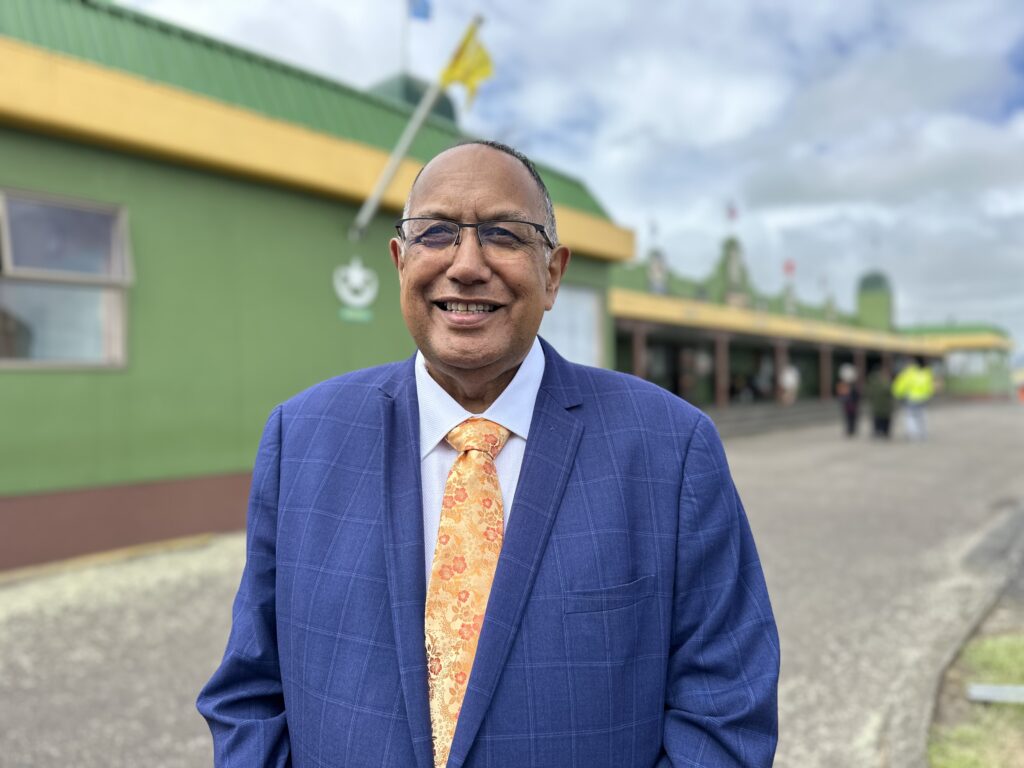
By Moana Ellis, Local Democracy Reporting
Outgoing Labour MP and former Speaker of the House Adrian Rurawhe says his decision to retire from Parliament on Waitangi Day has been driven by the pull of whānau, church and home after nearly 12 years in politics.
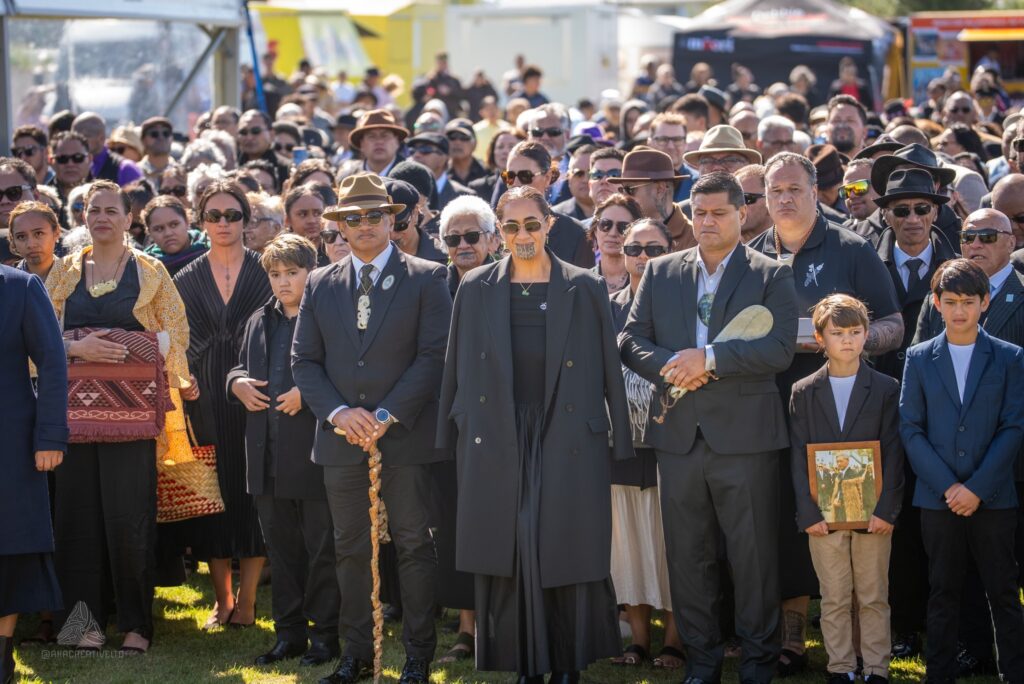
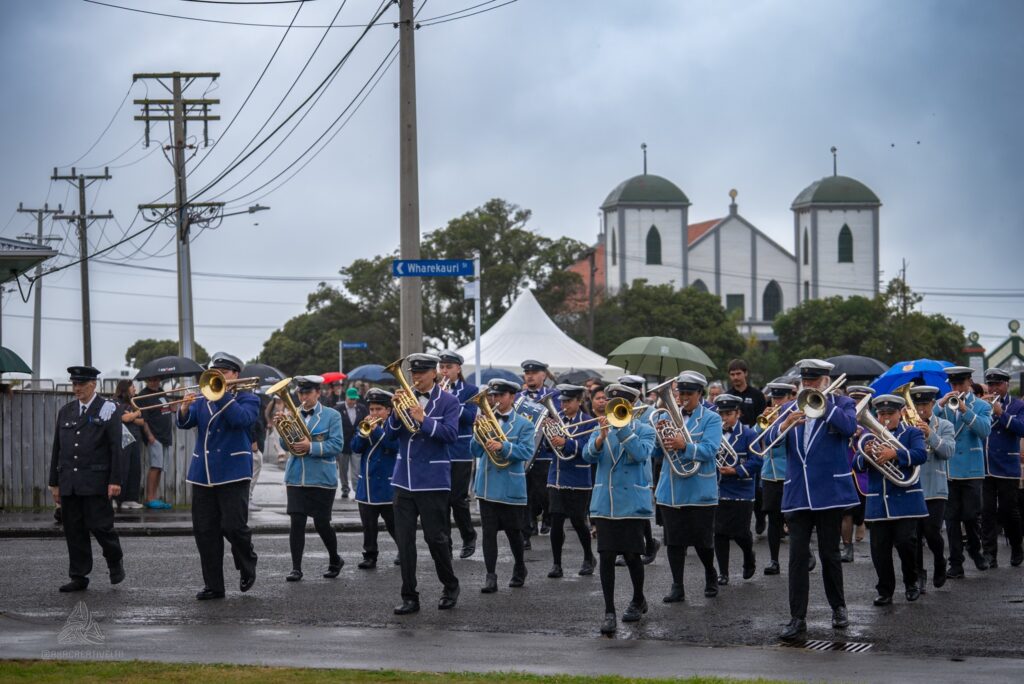
Speaking at Rātana Pā during four days marking the birth of Rātana founder Tahu Pōtiki Wiremu Rātana, Rurawhe said the decision followed careful reflection over summer about what he wanted from the next stage of his life.
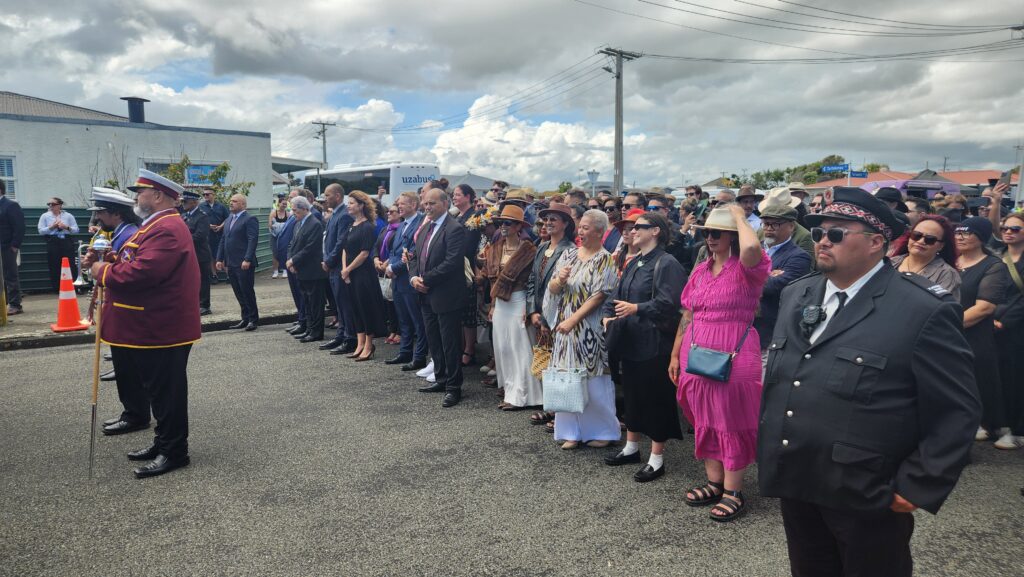
During a pause in the busy commemorations this week – attended by Māori leaders including the Māori Queen, politicians, media and hundreds of Rātana faithful – he reflected on his political career, the state of Parliament, and what he believes Māori MPs will confront next.
In his fourth term in Parliament, Rurawhe has represented the Te Tai Hauāuru electorate for nine years and has been a presiding officer for six, including Speaker of the House.
“This year I will turn 65 years old, and over the summer break I’ve been thinking about different kaupapa (mostly whānau and church) that I haven’t had the time to be involved with. Retiring now will give me that time, which I’m very much looking forward to.”
Rurawhe, a great-grandson of T W Rātana and grandson of Western Māori MPs Matiu and Iriaka Rātana, said he had originally intended to stay in politics for another term but reconsidered after reflecting on age, priorities and long-term commitments.
“When I turned 64, I thought to myself do I really want to be heading into my 70s and still be doing this? And the more I thought about it, the more I thought, no I don’t.”
Rurawhe said he wanted to return home, reconnect with whānau, and contribute in governance and church roles without seeking formal decision-making positions.
“I don’t want to leave it too late and not be able to make a contribution here at home. I would like to take a more active role in the church,” he said.
Rurawhe will be replaced in Parliament by Georgie Dansey, next on Labour’s list.
“I wish her all the very best. I’m certain that she will be a hard-working MP and [will] do a great job.”
Tributes flowed at Rātana Pā this week from Māoridom, government and local government. Rangitīkei Mayor Andy Watson acknowledged Rurawhe’s service in his address to the community.
“I acknowledge your humility and service to the church, to your people, Rangitīkei and the nation. Thank you.”
Reflecting on his parliamentary career, Rurawhe said change within Parliament was slow and constrained by consensus rules, but some improvements had been made.
“There’ve been some very good changes in the way that debates are held and in the way that the performance of government entities are scrutinised,” he said.
However, Parliament still failed to reflect kaupapa Māori and tikanga.
“There are some gaping gaps in the Parliamentary process where it’s not a fair reflection of New Zealand. And more particularly, very little reference to kaupapa Māori, or any tikanga.”
He said Māori had made long-term gains, particularly in health and life expectancy, but accused the coalition Government of dismantling recent progress.
“In the last two years or so, the current government has wound back so many of those gains. It’s just phenomenal,” he said.
“They speak with a forked tongue. They claim to support te reo Māori, but if you examine the actions, they bear no resemblance to support.”
He singled out education policy as an example, calling restrictions on Māori language in reading resources as “ridiculous”.
“If you have examined the English language and how many other languages contribute to the makeup of the English language… it is a nonsense.”
Asked whether Parliament was more polarised than when he became Speaker, Rurawhe said the institution changes after each election and the Speaker’s role is both powerful and constrained.
“The role of Speaker is a huge influence on how Parliament operates… in one sense it is a very powerful position, in another it requires you to act as a referee between political parties.”
Rurawhe also reflected on the 2024 haka incident in the House, which led to the longest suspensions in Parliament’s history for Te Pāti Māori co-leaders. He said the situation could have been handled differently.
“It didn’t need to happen that way,” he said. “I think there’s fault on both sides, to be honest.”
He criticised MPs for failing to navigate parliamentary rules and relationships, contrasting them with earlier Māori MPs.
“That haka could have taken in place if they’d only navigated the rules of Parliament. You have to have strong relationships with other parties to be able to do it. And if I’m critical, that’s a failing on their part because they didn’t develop those relationships.”
He praised the late Dame Tariana Turia’s approach, describing her as a model parliamentarian who understood compromise and process.
“She said politics is all about compromise,” he said. “She knew what she needed to do to get Whānau Ora across the line and she did it.”
Rurawhe identified “managing expectations” and building the political alliances needed to pass legislation as the hardest challenge facing future Māori MPs.
“When you’re an electorate MP, you are one vote out of 120 and if you don’t have 60 friends, you are never going to achieve anything,” he said.
“The most difficult thing is finding your 60 friends… That’s the stuff that doesn’t actually happen on the marae or in the town hall, it happens in the back rooms.
“My loudest voice was always in those back rooms, because I knew that’s where the decisions were being made.”
Rurawhe said his immediate focus after retirement would be rest, reconnection with whānau, church involvement, and recalibrating life outside politics.
“I’m just going to try to recalibrate myself,” he said. “I just really love to have those sorts of connections. That’s one thing I’m definitely going to do.”
Rurawhe retires from Parliament on 6 February.
Awa FM – Te Reo Irirangi o Whanganui
For more of our people, our stories, our way, click News or follow us on Facebook.