From a $30 million Treaty settlement to a $130 million asset base, Ngā Wairiki-Ngāti Apa is building scale through direct investments in dairy and horticulture – but leaders say the real test is turning asset growth into steady cashflow and gains for whānau.
By Moana Ellis, Local Democracy Reporting
Since settling its treaty claims in 2011 with an asset base of just under $30 million, Ngā Wairiki-Ngāti Apa has quadrupled its redress pūtea to nearly $130 million.
The headline number establishes a foundation for growth after well over a century of decline.
But behind the balance sheet lies a familiar tension for post-settlement iwi: how to grow capital through direct investment while meeting immediate cashflow demands – and, ultimately, how to ensure rising returns translate into real gains for whānau.
“We’ve had really good growth – it’s steady, it’s not out-the-gate amazing, but it’s been good,” says Te Rūnanga o Ngā Wairiki-Ngāti Apa tāhūhū rangapū / Group CEO Grant Huwyler.
The challenge now, he says, is extracting more annual return from the platform the iwi has built.
“How do we get a better annual return to cover our costs and do more in terms of our kaupapa?”
Ngā Wairiki and Ngāti Apa are different but inextricably linked iwi whose shared destinies have been shaped by colonisation and the long Treaty settlement process.
Descendants of Paerangi, Turi and Apa-Hapai-Taketake, their mana whenua stretches from the coastline inland across parts of the Whanganui, Rangitīkei and Manawatū districts.
Since settlement, the iwi has entered what its leaders describe as an unprecedented period of asset growth, with Te Rūnanga o Ngā Wairiki-Ngāti Apa – chaired by Pahia Turia – overseeing collectively owned investments and new development opportunities.
Future diversification could include renewable energy, with wind, solar and other clean-generation projects seen as a way to build cashflow while upholding kaitiakitanga and intergenerational responsibilities.
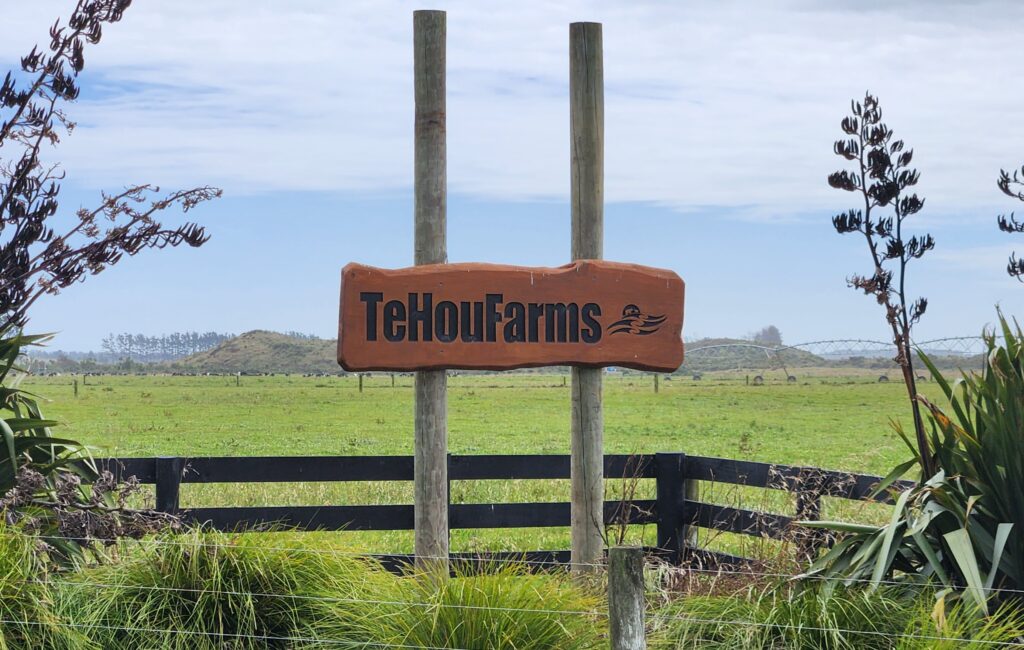
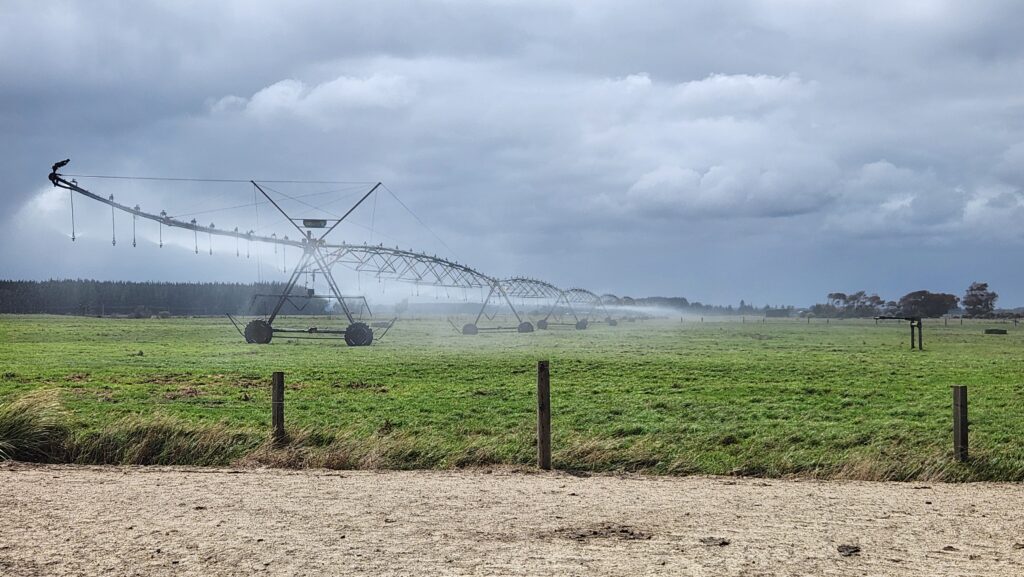
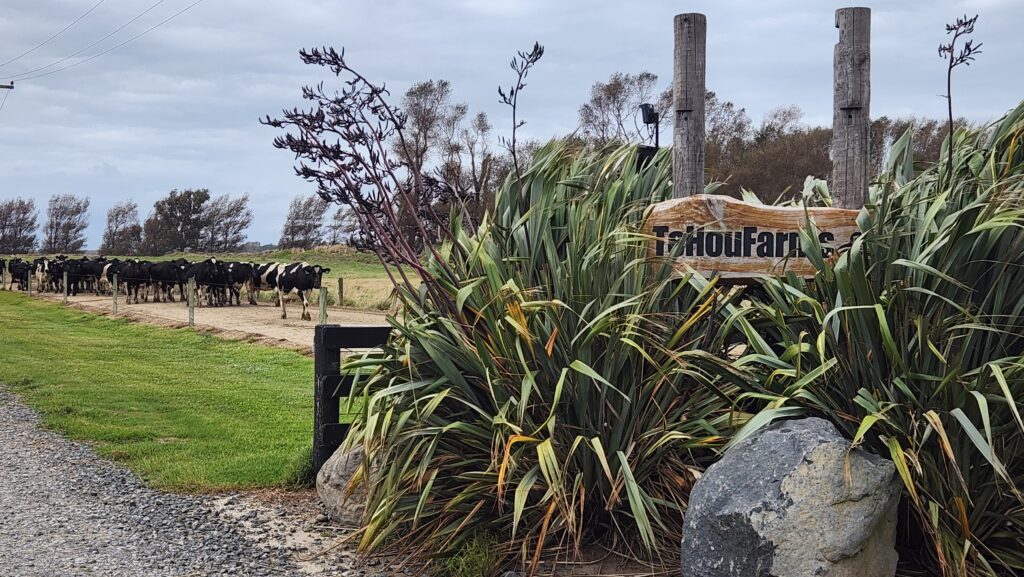
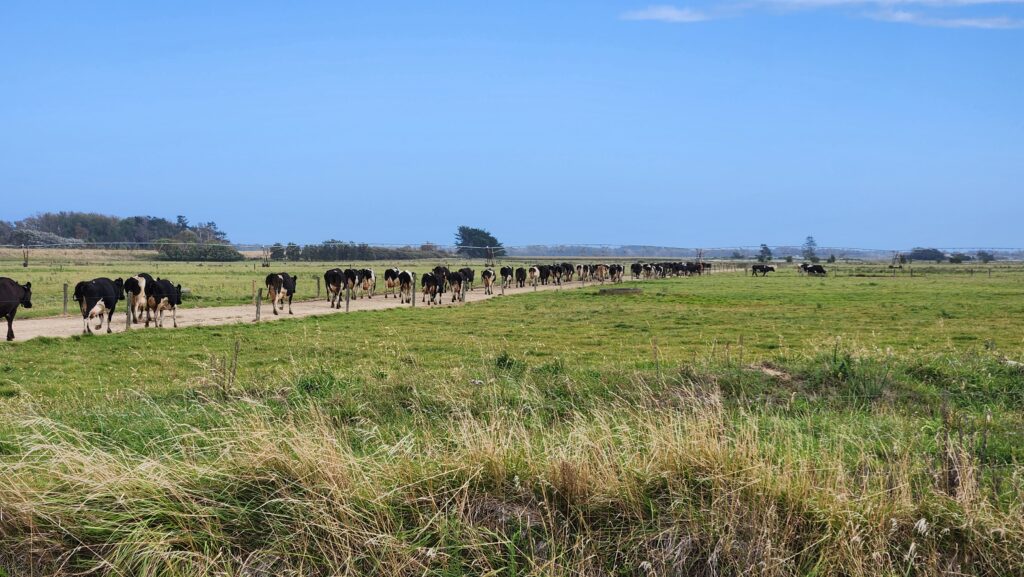
Te Hou Farms – a large-scale, high-performing dairy operation milking 1650 cows west of Bulls – anchors the portfolio.
Equity now sits at about $90 million. Much of that growth has been driven by direct investment – particularly the purchase and development of Te Hou Farms, formerly the Flock House AgResearch training farm.
“It was still worth more than our whole treaty settlement,” Huwyler said of the purchase. “So we had to go into that with partnerships.”
The dairy operation produced more than 900,000 kilograms of milk solids last year.
“It is a massive producer. It’s started to generate cash flow. That’s given us a lot of growth.”
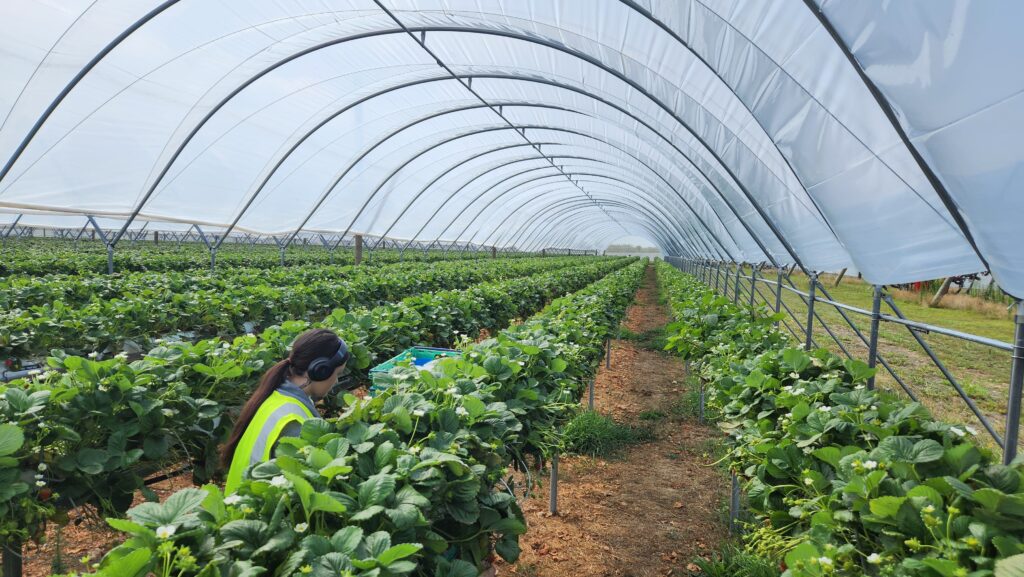
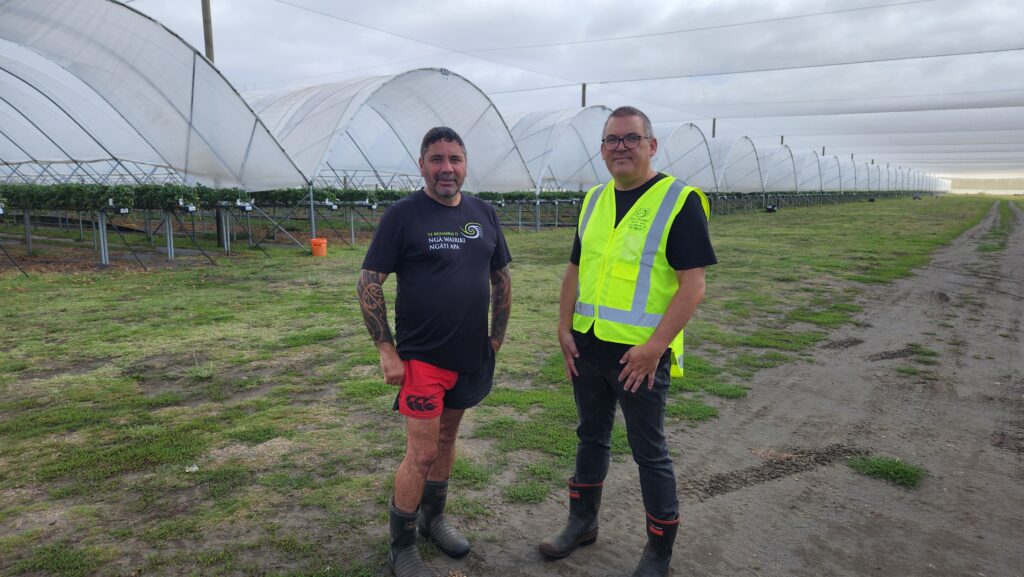
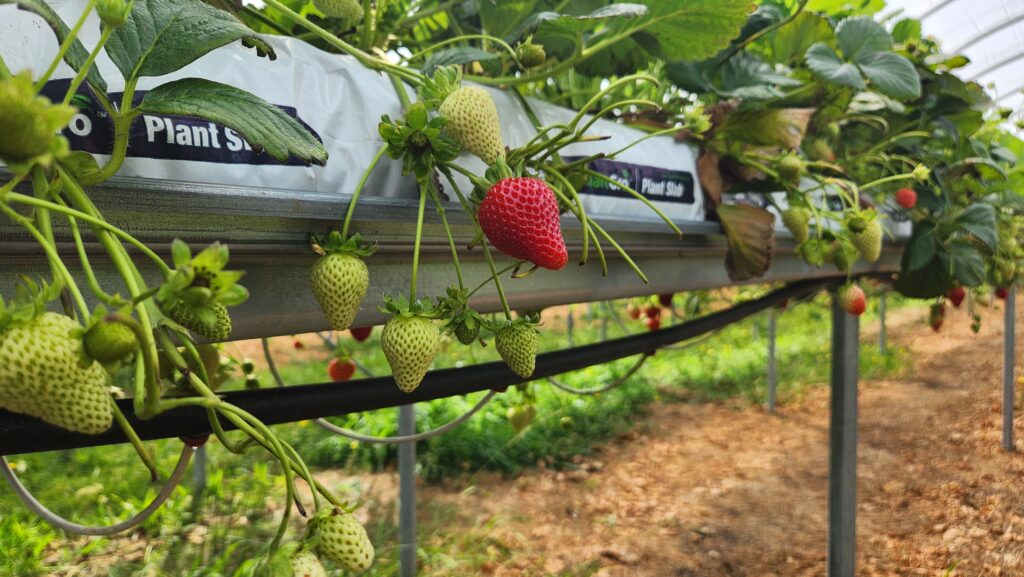
Alongside dairy, the iwi has moved into intensive horticulture through Harakeke Berries, a commercial strawberry operation established in 2021 on land taken out of forestry at Kaitoke, near Whanganui.
The operation is part of Ngā Wairiki Ngāti Apa Developments Ltd and represents another direct, capital-heavy investment in the rohe, with critical funding support from the Government’s Provincial Growth Fund.
But scale has brought pressure.
“We’re always fighting trying to keep enough cash flow to cover our needs whilst growth just sort of takes care of itself,” he said. “We’ve all heard that saying of being asset rich and cash poor, and we’re another example of that.”
The ultimate test is whether investment gains translate into meaningful impact for whānau, Huwyler says.
“When we set out on this journey and settled our claims, we probably naively thought we were going to have a much bigger impact than what we probably have had.
“The scale of settlement is quite poor and so you end up working really, really hard to try and get that asset-base to some level of scale, where it can have a meaningful impact.”
Returns from investment are being channelled into programmes covering culture and identity, leadership, environment, hauora and hapū capacity building – some fully iwi-funded, others delivered in partnership with government – as the rūnanga works to translate balance-sheet growth into measurable gains for marae, hapū and whānau.
Thriving, Huwyler says, means whānau being “independent from government, making enough money, owning their own home, getting educated… and living fulfilling lives.”
“We try and report back on how much resource is shared, how much cash is shared,” he said.
Of high importance to the iwi is environmental impact and at least balancing land use intensification with investments in environmental restoration, Huwyler says.
“We have planted tens of thousands of natives on Te Hou Farms and we have significant wetland restoration as part of our vision for our Santoft and Harakeke lands.”
Funding is distributed to four hapū collectives aligned with marae, with a fifth potentially being re-established.
Direct investment has meant both wins and failures. A blueberry venture failed after several years when contracted genetics did not suit local growing conditions.
Huwyler says that experience reinforced a disciplined culture: test opportunities, learn fast and “cut losses” when necessary.
“Direct investment has been our strategy, and I think it’s been awesome in terms of really owning what we’re doing – and owning the outcomes as well. We’ve had successes and we’ve had failures, and it’s always going to be that way.
“One thing I like about our culture and approach is we give things a go, but when it’s obvious it’s not going to work, we don’t flog a dead horse. We cut our losses and move.”
Managing growth and risk remains a balancing act, Huwyler says.
“The aim is building scale without losing sight of whānau outcomes.”
Awa FM – Te Reo Irirangi o Whanganui
For more of our people, our stories, our way, click News or follow us on Facebook.