By Moana Ellis, Local Democracy Reporting
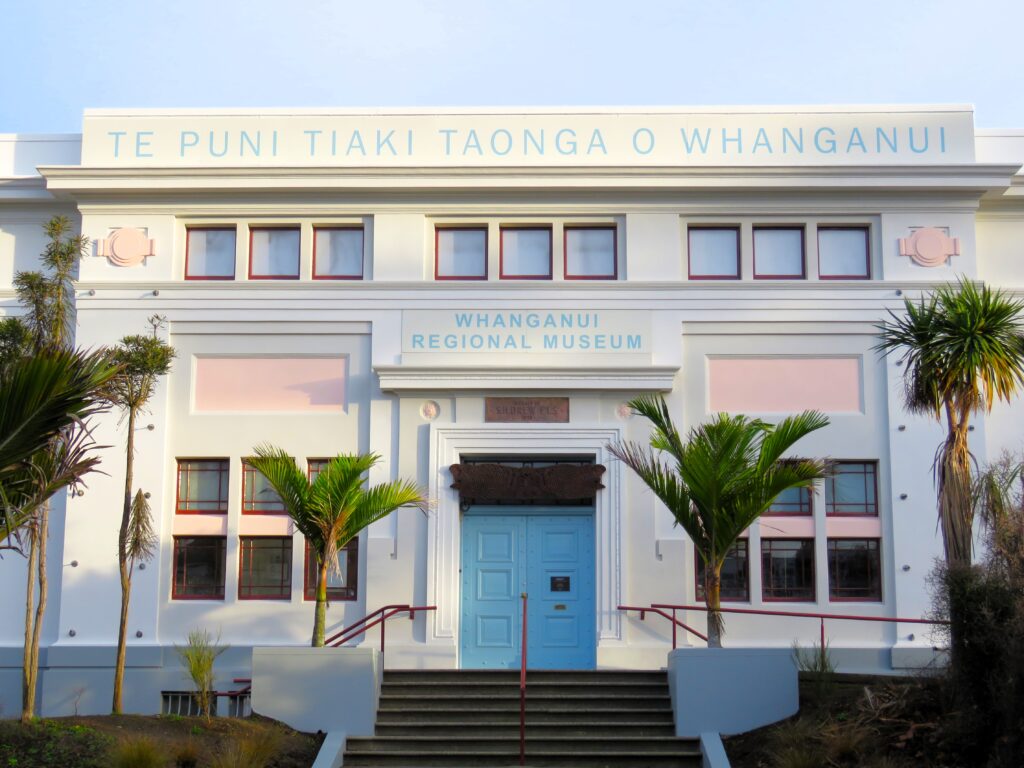
The board of the Whanganui Regional Museum is preparing to enter negotiations with the Whanganui District Council over a proposal for the council to take over the museum’s operations.
Under the plan, the museum trust would retain ownership of the collection while contracting the council to manage day-to-day functions, including staffing and corporate services.
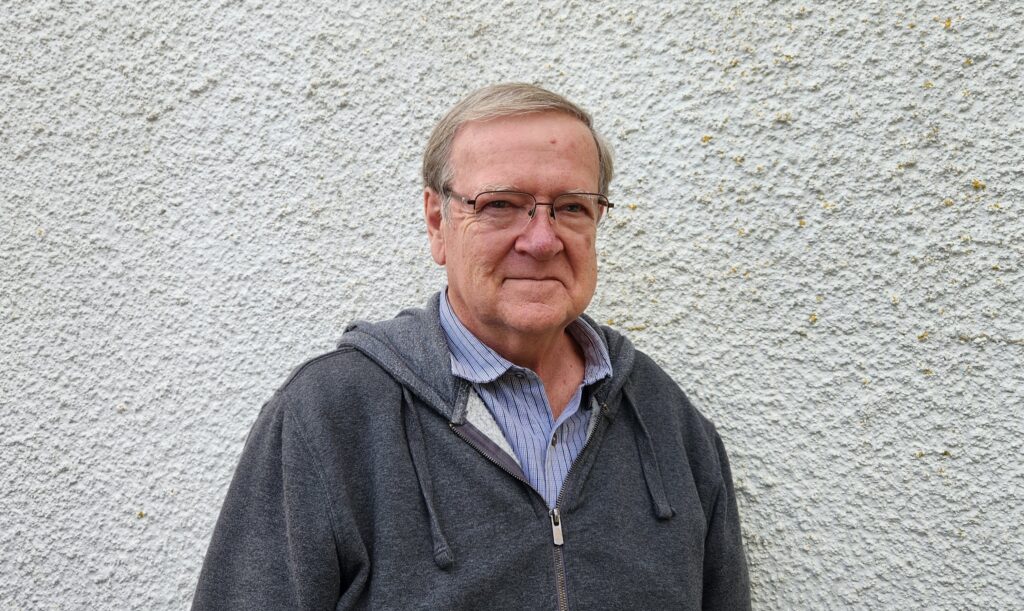
Joint council chair Dr John Smart said the board aimed to begin discussions with the council next month, following its decision last week to accept recommendations from a review panel.
“We have a tremendous asset in the museum. It is under various stresses and that’s a proper conversation we should have with the council. And I’m sure they want to have that with us.”
Smart described the Whanganui museum as potentially the most significant regional museum in New Zealand. Established more than 130 years ago, it holds more than 300,000 items valued at nearly $36 million, including important taonga Māori from across the Whanganui region.
The preferred model recommended by the review panel would see the trust remain an independent charitable entity with full oversight of the collection’s care, presentation and growth as well as the museum’s strategic direction.
The council would assume responsibility for operational delivery, including IT, human resources, finance, health and safety, auditing and facilities.
While the board would be required to implement major fundraising initiatives, the council would ultimately be responsible for the museum’s funding.
The board has accepted the recommendation in principle, subject to negotiations with the council.
The museum has been governed by an independent charitable trust since 2000/2001, operating under a bicameral co-governance model with equal representation from a Tikanga Māori House of iwi representatives and a Civic House of community members. The council owns the museum buildings and is responsible for their maintenance.
Smart said funding had become increasingly constrained over time, with the council now providing close to 90 percent of financial support.
The council allocated $1.4 million in operating funding for the 2025–2026 financial year, and in early 2024 provided emergency funding of $250,000 after fundraising shortfalls and tax debts.
An earlier independent review commissioned by the council found the museum was cost-effective but underfunded, prompting a recommendation that the council take over operations.
A subsequent legal opinion said constitutional changes would be required to enable such a shift, and concerns were raised about the review process itself not meeting constitutional requirements.
A second review panel, formed in mid-2025, revisited the issues, focusing on chronic underfunding, governance challenges and updating the constitution. It also recommended changes to trustee appointments, including public nominations and professional screening based on a governance skills matrix.
Smart said the panel identified persistent funding challenges, noting that external grants and charitable funding had become harder to secure over time.
“As a result, the proportion of our funding coming from the council has increased.”
Governance issues have also emerged, including difficulty maintaining quorum under the current model, which requires 12 trustees split evenly between the two houses.
The museum has not published an annual report since 2020, with some constitutional governance functions having “fallen away”, according to Smart.
Despite these challenges, he said there was strong support to retain the bicameral governance structure.
Any agreement with the council would need to address staffing shortages, funding constraints and the protection of Māori taonga, while upholding the bicameral model and Treaty principles.
‘I think the story that we should be talking about is the opportunity and the tremendous assets that the museum has. This is an opportunity for Whanganui to get the model right.’
Smart said the council already funds the majority of museum operations and infrastructure, making the proposed shift a relatively small step in financial terms.
He acknowledged there were risks in shifting operational control to the council, particularly given its cost-efficiency programme, but said there was an understanding the museum’s issue was underfunding rather than overspending.
“Our problem is the amount of money for the job that we have to do. We’re not going into an environment where there’s an expectation of further cost-cutting, I don’t believe. But that will be, perhaps, very pertinent to our negotiating positions.”
Bringing the museum more formally under the council’s operational umbrella could improve its position in long-term planning and budgeting processes.
“At the moment… we tend to come on late and are seen as an add-on to the budgeting process.”
Concerns about the long-term care of the collection were also a key driver of the proposal. Smart said the museum’s infrastructure was not fit for purpose, particularly in terms of environmental controls needed to preserve items over decades.
“The infrastructural issues are significant. We’re not at the levels we would like to be.”
He noted some collection items are stored beneath public areas in spaces not originally designed for museum use.
If negotiations proceed, the trust will seek independent assessments of both infrastructure needs and appropriate operational funding levels for a museum of its size, with the aim of incorporating these into the council’s long-term planning.
Discussions have already begun with the mayor and chief executive, with a broader workshop with councillors expected in May.
“I think the story that we should be talking about is the opportunity and the tremendous assets that the museum has. This is an opportunity for Whanganui to get the model right, so that it goes forward in a positive way.”
Awa FM – Te Reo Irirangi o Whanganui
For more of our people, our stories, our way, click News or follow us on Facebook.